

In Jesus, we encounter the Lord who gives himself for others.
Discovering power in self-giving love
Our assumptions about power shape much of daily life. We notice who can secure an outcome, protect a position or make other people comply. We can begin to regard gentleness as something we can afford only when our authority is safe.
Jesus brings us into a different understanding of greatness. The Son of God enters our bodily life, receives hospitality and attends to people whom others overlook. He exercises authority while giving himself to those who need him.
At the cross, he gives his life for sinners. His death reconciles us to God and exposes the limits of the power that condemns him. Rome uses crucifixion to humiliate its enemies and display its strength. In Christ, that instrument of terror becomes the place where God reveals his saving love.
The Father raises Jesus bodily from death. The risen Lord is the one who was crucified. His self-giving belongs to his victory and reveals how he exercises his lordship.
Here we encounter what Biblical Critical Theory calls diagonalisation. We may assume that we must choose between forceful leadership and ineffective kindness. Jesus exposes the poverty of that choice. In him, authority and service belong together.
Following him changes how we use whatever power we possess. We can give another person credit, hear a criticism without retaliating or take responsibility for a mistake that we could have concealed. We can defend someone vulnerable even when doing so costs us approval.
We depend on Christ’s grace as we learn this way of life. We receive forgiveness from the Lord who gave himself for us, and ask him to shape our conduct towards others. His death and resurrection give us grounds to trust that the cost of love need not make it futile.
From the book
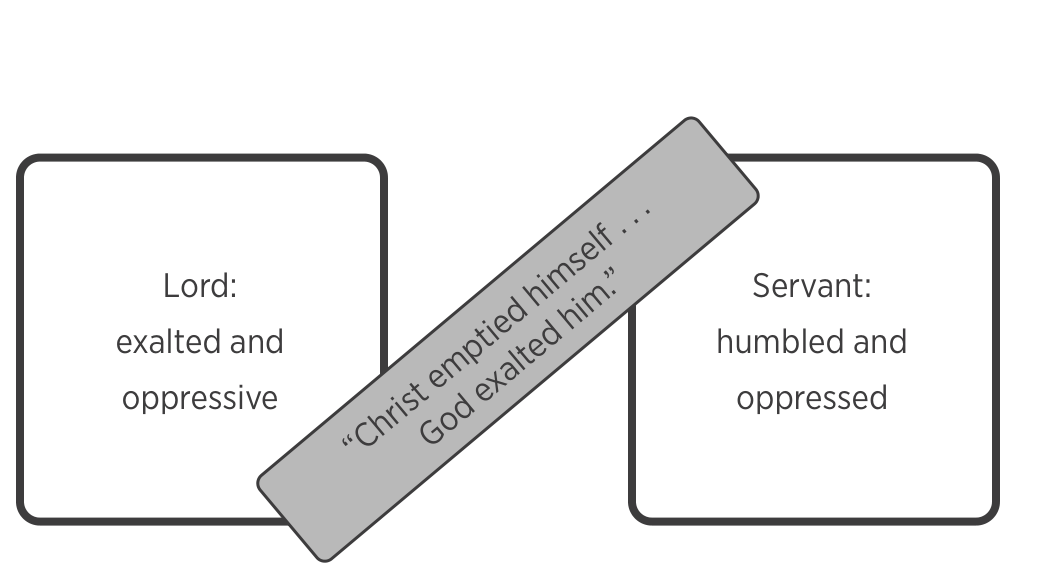
Christopher Watkin, Biblical Critical Theory, p. 450. Original figure.
Scripture
“For even the Son of Man did not come to be served, but to serve, and to give his life as a ransom for many.”
Mark 10:45, NIV
Prayer
Lord Jesus, forgive our desire to secure ourselves at the expense of others. Teach us to exercise responsibility with courage, humility and self-giving love. Amen.