
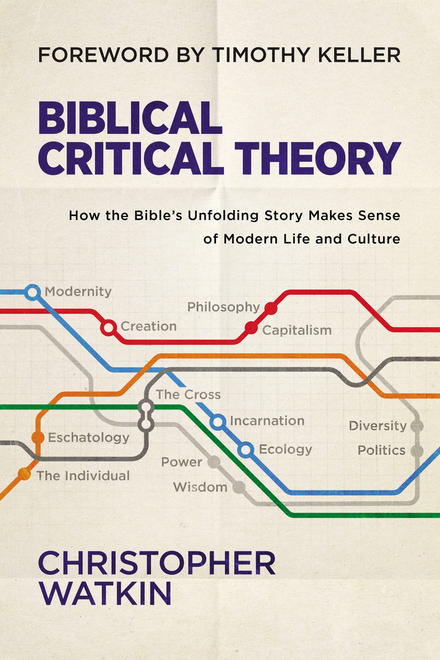
The vision of Biblical Critical Theory is for the Bible's storyline to shape how we see our world and how we live within it.
Learning to see
We can know our Bibles well and still struggle to connect what we believe with the decisions we face. At church, we speak about grace, faithfulness and love. At work, we navigate targets, competition and the pressure to succeed. We recognise the questions our culture is asking, but we cannot always see how Scripture helps us answer them.
That division can hurt. We may feel that we have a Sunday self and a weekday self, each speaking a different language. We wonder whether we are being sensible or unfaithful, finding our place or becoming a fraud. Decisions about a career, a relationship or a responsibility become questions about who we are.
We long to bring our working and worshipping lives together before God.
Biblical Critical Theory explores how the Bible’s unfolding story helps us understand the whole of life. From creation to new creation, with Jesus Christ at its centre, Scripture teaches us what kind of world we inhabit, what has gone wrong and where our hope lies. Through that story, we learn to recognise what deserves our attention, what we should value and what faithfulness might require.
We learn to see the world within the Bible’s story, rather than treat the Bible as one more thing within the world’s story.
This changes the questions we ask. We begin to examine the assumptions behind familiar words such as success, freedom and progress. We notice the accounts of human worth that shape a workplace or a public debate. We become better able to appreciate what is good in our culture and to recognise where we need something better.
That examination includes ourselves. Our Christian communities also have habits and ambitions that need correction. Learning to see through Scripture involves repentance as well as understanding.
The following pages trace a few threads through the biblical story. Each takes one idea and explores how it might change our experience of ordinary life. Together, they offer a beginning: a way to develop discernment, including when we face questions for which nobody has handed us a ready-made Christian answer.
We undertake this learning in dependence on God and in the company of his people. We hope to grow into people whose thinking, working and worshipping express a deepening love for him and for our neighbours.
From the book
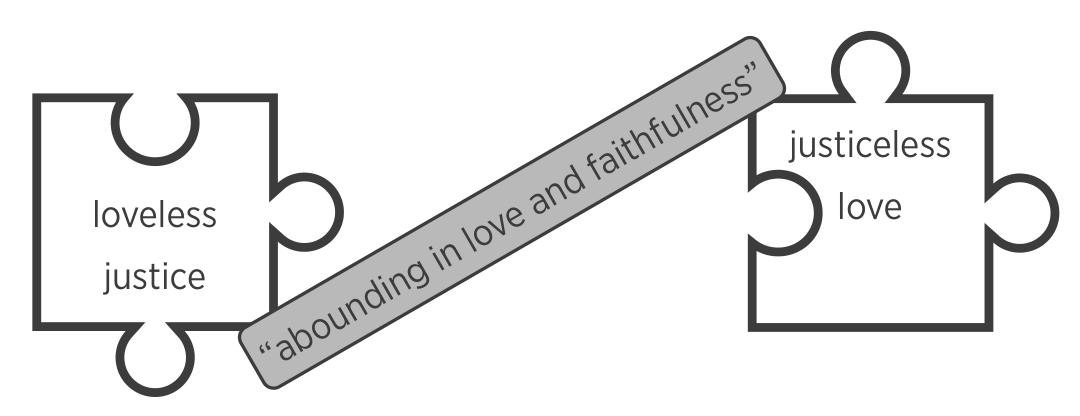
Christopher Watkin, Biblical Critical Theory, p. 17. Original figure.
Scripture
“He is before all things, and in him all things hold together.”
Colossians 1:17, NIV
Prayer
Father, bring our thinking, working and worshipping under the lordship of Jesus. Teach us to see your world truthfully and to love our neighbours within it. Amen.